A crash lasts seconds. The paperwork, pain, and questions stretch for months. What you preserve in the first hour often decides whether an insurance adjuster pays fairly or fights every inch. I have walked plenty of clients through that trench, from low-speed fender benders on Serrano Parkway to multi-vehicle collisions on Highway 50. The constant thread is evidence. Good documentation protects honest drivers, accelerates claims, and strengthens cases if litigation becomes necessary.
This is a practical guide to documenting a crash scene in and around El Dorado Hills. It blends street-level tactics with legal perspective, the kind of guidance an EDH car accident attorney gives when a client calls from the shoulder, hands still shaking.
Safety and Presence of Mind Come First
A driver’s first duty after a collision is to prevent more harm. The law expects this, and juries do too. If your car is drivable and it’s safe to move, pull to the right shoulder or into a nearby turnout. On busy corridors like Latrobe Road or Silva Valley Parkway, staying in a live lane invites a secondary crash. Turn on hazard lights. If you carry road flares or triangles, place them behind the vehicle in increasing distances. At night, position a lighted phone behind your car when safe to make your presence obvious.
Check quickly for injuries. If anyone reports neck pain, loss of consciousness, chest pain, severe bleeding, or obvious fractures, call 911 immediately and ask for medical response. Do not move an injured person unless a fire, traffic hazard, or similar risk exists. Whether you feel hurt or not, understand that adrenaline masks pain. Many clients report feeling fine at the scene, only to wake up stiff and nauseated the next morning. This matters both medically and legally, so do not downplay symptoms.
Finally, stay calm and limit statements. You are not obligated to guess fault or describe your speed to other drivers. The right thing to say is simple: Are you okay? Let’s get help. Let’s exchange information. Everything else can wait for the report and your car accident lawyer.
Call Law Enforcement and Make the Record Official
In El Dorado Hills, collisions may draw California Highway Patrol or El Dorado County Sheriff’s Office depending on location. Freeways and some major roads fall to CHP. Neighborhood streets may involve local deputies. If in doubt, call 911. For nonemergency reporting where no one is injured and vehicles are movable, CHP’s nonemergency line can be used, but if there is any injury, even minor, ask for an officer at the scene.
Why insist on an officer? The traffic collision report provides an objective baseline that insurers respect. It includes time, location, parties, witness names, vehicle positions, damage descriptions, road and weather conditions, diagram, and sometimes the officer’s opinion on violation codes. Even where the report does not assign fault, it still anchors the facts to time and place. I have seen claims unravel because both drivers agreed to handle things privately, only to discover conflicting stories and a third-party claim a week later.
If you smell alcohol or suspect impairment, note it discreetly and tell the officer. Do not confront the other driver. If the other driver pressures you to avoid calling the police, take that as a red flag and document more thoroughly.
When the officer gives you a report number or card, photograph it. Reports can take anywhere from 7 to 21 days to finalize depending on workload, and this number helps your EDH car accident attorney retrieve it quickly.
Photograph Everything, Not Just Damage
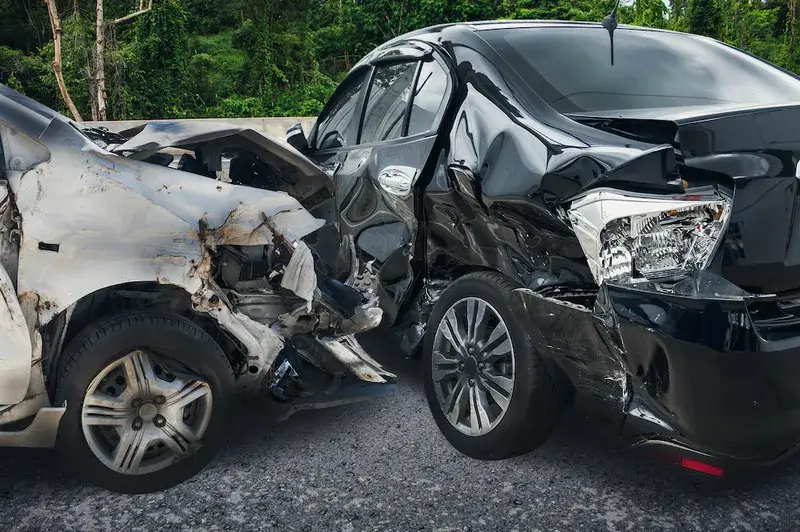
Phones are the best accident tools most people already carry. Treat the scene as a puzzle that a stranger needs to solve months later. Photograph in wide, medium, and close frames.
- Wide shots: Stand back and capture the entire scene from multiple compass points. Include landmarks like intersection signs, storefronts, mile markers, lane markings, and traffic signals. If a curve, crest, or sun glare could matter, photograph the sightlines the drivers had. Medium shots: Focus on each vehicle, showing all four corners, license plates, and the contact points. Take photos straight on and at slight angles to capture crumple patterns. Close-ups: Photograph transfer marks, paint scrapes, broken plastic, detached parts on the roadway, airbag deployment, seatbelt frays, child seats, and any fluid leaks. Include ruler or a common object like a key for scale if possible.
Two details many drivers miss: tire marks and debris fields. Yaw marks, straight skids, gouges, and scattered glass tell a story about braking and angles. Photograph them from the side and along their length. If rain or passing cars may disturb the scene, shoot those images early.
Light and weather matter. In El Dorado Hills, late afternoon glare on east-west roads is a real factor. If the collision happened at dusk, lock your exposure and try both flash and no flash. If the crash was at night, include shots that show the state of nearby lighting and whether the road was adequately illuminated.
Capture your dashboard if it shows warnings, mileage, or time. Some vehicles log crash data, but that requires later retrieval. A simple photo of the dash can preserve airbag lights, gear position, and time stamps.
Finally, photograph people, respectfully and with privacy in mind. Shots of the other driver, passengers, and any visible injuries help corroborate identities and condition. Do not be intrusive, but do not skip documentation out of awkwardness. If someone refuses, note that and take notes on distinguishing features.
Gather Accurate Information Without Guesswork
Once safety is stabilized and photos are underway, exchange information. California law requires drivers in a collision to exchange names and addresses, driver’s license numbers, vehicle registration, and insurance details. Take a clear photo of the other driver’s license and insurance card. Ask for a phone number and email. If the driver is not the registered owner, photograph the registration page that shows the owner’s name and address.
Ask politely if the other driver lives locally. Transient or borrowed vehicles complicate later service of process. A simple photo of the plate and VIN plate through the windshield helps if the registration is not handy. Keep your own cards easily accessible, and share them without commentary.
If passengers are present, ask for their names. Injured passengers can become claimants, and their accounts sometimes carry weight, especially in rideshare or carpool contexts. If a rideshare driver was involved, capture the app screen indicating the trip status, as that influences insurance layers.

Preserve Witnesses the Way a Trial Lawyer Would
Bystanders drift away faster than anything else at a crash scene, often within minutes. A good witness can make or break liability determinations, particularly in classic disputes like left-turn collisions or merging sideswipes. Approach calmly and ask, Could I have your name and contact information in case my insurance or lawyer needs a statement? People are surprisingly willing to help when asked sincerely.
If a witness is in a nearby vehicle, snap a photo that includes their plate and car make just in case. Audio record a short statement with their permission: Please tell me what you saw. Keep it under 60 seconds. Ask where they were positioned, what direction they were facing, and what stood out. Confirm the time, and thank them.
Businesses and homes with security cameras are another overlooked source. In EDH, many storefronts in shopping centers and gas stations maintain rolling footage that overwrites in 24 to 72 hours. If the crash occurs near a station, restaurant, or service bay, ask the manager to preserve video for the time window that covers at least 10 minutes before and after the collision. Get a manager’s card and email. Your car accident lawyer can serve a preservation letter quickly if you supply the lead.
Capture the Scene’s Invisible Data
Evidence is not limited to what you can see. Think about what will be hard to re-create two months later.
- Weather: Note temperature, precipitation, and wind. If it was sprinkling, photograph droplets on the hood and roadway texture. If smoke from a nearby wildfire reduced visibility, note the haze. Screenshots of a reputable weather app with time stamps help. Traffic patterns: If construction cones, lane shifts, or temporary closures contributed, photograph signage and detour signs. Caltrans work zones often alter sightlines. Capture those alterations clearly. Signals and timing: Record the cycle of a traffic signal. One method is to set your phone to video for two or three cycles, then pan to the relevant approaches. Timing disputes are common at signals where left-turn arrows lag or flash yellow. Road condition: Potholes, oil slicks at intersections, gravel from recent chip seal, or sprinkler runoff can affect braking. Photograph your shoe sole after stepping on the surface to illustrate traction. A close shot of the aggregate and sheen can be surprisingly persuasive.
Be Careful With Words: On-Scene Statements and Later Reports
A simple apology can be twisted into an admission. California’s Evidence Code protects certain statements made for medical purposes, but casual talk at a crash scene is fair game for adjusters. Stick to facts when speaking to the other driver or witnesses: We were both headed east. The light turned yellow. I was in the right lane. Do not estimate speed unless you are sure. Even honest drivers tend to underestimate or overestimate under stress.
When the officer arrives, answer questions directly. If you do not know, say so. Ask to read your statement before the officer finalizes it. If you remember a detail later that seems important, call the nonemergency line and ask how to supplement. Your EDH car accident attorney can also coordinate a supplemental statement if necessary.
Do not post about the crash on social media. Photos of weekend hikes or gym sessions get misused to argue you are not injured. Keep your circle small until the claim resolves.
Medical Documentation Begins at the Scene
Photograph injuries before they are cleaned or bandaged, then again 12 to 24 hours later as swelling sets in. Bruises often darken over two to three days, so daily photos with a date stamp help. Include frame of reference like a watch or a penny for scale.
If paramedics recommend transport, consider following that advice. If you decline, go to urgent care or your doctor within 24 to 48 hours. The gap between a crash and first medical record is a favorite argument used by insurers to disconnect causation. Report all symptoms, not just the most painful one. For example, neck stiffness, headaches, nausea, jaw clicking, tingling in fingers, or sleep disruption can signal whiplash or concussion.
Keep receipts for over-the-counter medications, braces, heat packs, or rideshares to appointments. Track miles to and from medical visits. These small expenses add up, and documentation allows reimbursement.
Vehicle and Property Evidence: Do Not Rush the Tow Yard
If your car is towed, get the yard name and address. Ask the officer to list the yard on the report, and photograph the tow slip. Do not authorize destruction or salvage until your insurer or your attorney’s expert inspects the car. Event data recorders, sometimes called black boxes, can hold valuable pre-crash speed, throttle, brake, and belt-use data for newer vehicles. Retrieving it requires prompt action and the right technician.
Save all damaged property. Car seats should be replaced after moderate to severe impacts, and even after minor ones depending on manufacturer guidelines. Photograph the seat while installed, showing harness adjustment and any stress marks, then keep the seat until the insurer inspects it. Do the same for broken glasses, phones, and work equipment that was in the vehicle.
If you have dashcam footage, back it up immediately to cloud or another device. Do not rely on the SD card alone. Provide a copy to your attorney, and maintain the original card in a labeled envelope.
The Paper Trail That Backs Your Claim
Within a day or two, create a simple accident file. Hard copy or digital is fine. Include the following:
- The officer’s card or collision report number and the date you requested the report All photos and videos in dated folders, including screenshots of weather and maps Names, numbers, and brief summaries from witnesses and businesses with cameras Medical visit summaries, prescriptions, and receipts Correspondence with insurers, including claim numbers and the names of adjusters
This is not busywork. Organized records speed the claim and give your EDH car accident attorney leverage. Adjusters are more likely to settle fairly when you can hand them a tidy packet that they can plug into their evaluation software without a chase for missing pieces.
Dealing With Insurers Without Limiting Your Options
Notify your insurer promptly. Most policies require prompt reporting, and delay can jeopardize coverage. Give factual statements about the who, where, and when. If the other carrier calls, confirm basic details but do not consent to a recorded statement until you have legal advice. Recorded statements are sometimes used to lock you into imprecise timelines or to push admissions about speed and distraction. If you already gave one, tell your lawyer immediately so strategy can account for it.
If liability is clear, the property damage portion may resolve quickly. Still, be wary of early offers on bodily injury claims. Insurers sometimes propose quick checks within a week or two, while you are still in pain and before a complete diagnosis. Accepting and signing a release ends your claim, even if later imaging shows a herniated disc or torn labrum. A car accident lawyer can stage the timing so you are not rushed, while still moving the property and rental car portions along.
Special Considerations in El Dorado Hills and Surrounding Roads
Local context matters. Highway 50 carries commuter traffic at 60 to 70 mph, with frequent speed variations near the El Dorado Hills Boulevard exit. Rear-end collisions here often involve chains of three or more vehicles. Photograph the full line of impacted cars, and capture the distances between them before tow trucks break the chain, because the middle driver often gets blamed by both ends.
Residential sprawls around Town Center, Serrano, and Bass Lake Road bring school pick-up zones and bike traffic. Collisions at low speed still cause significant soft tissue injuries, especially for older adults. Where speed is disputed, note speed limit signs, school zone flashing times, and temporary reductions for events. Take photos of the school beacon with the flashing status if it was active.
Weather brings microclimate surprises. A summer afternoon can feel bone-dry in EDH while fog clings to Folsom Lake in the morning, and a winter storm can leave black ice on shadowed segments of Green Valley Road while sunlit portions are dry. Photograph the pavement condition where your tires actually traveled, not just a random stretch two car lengths away.
Wildlife is not rare. Deer crossings at dawn and dusk cause sudden braking or swerves. If wildlife contributed, document hoofprints, scat, broken brush at the shoulder, or a carcass if present, and add a CAL FIRE or CHP incident number if they responded. Insurers often question animal-strike narratives, and concrete photos curb skepticism.
When to Call a Lawyer, and What They Actually Do
Not every fender bender requires counsel. But certain red flags should prompt a call to an EDH car accident attorney sooner rather than later:
- You feel pain beyond minor soreness, or symptoms worsen over several days The other driver denies fault despite strong indications Commercial vehicles, rideshares, or multiple parties are involved A hit-and-run or uninsured motorist situation complicates coverage A potential defect, road hazard, or municipal factor may be at play
What happens after you hire counsel is largely invisible to clients, which makes the value easy to underestimate. A seasoned car accident lawyer will send preservation letters to businesses with cameras and to the at-fault party regarding vehicle data. They will retrieve 911 audio, CAD logs, and dispatch notes, which often contain candid witness tidbits that never reach the formal report. They will coordinate medical documentation to capture not just diagnoses but functional limitations in work and daily living. They will analyze policy stacks, including med-pay, UM/UIM, and any umbrella coverage. On complicated cases, they bring in accident reconstructionists and human factors experts to test sightlines, signal timing, and driver reaction windows. These steps raise settlement value by converting vague narratives into hard proof.
The Subtle Art of Telling the Story
Insurers and juries do not just weigh injuries, they weigh stories. A clean, consistent narrative gains credibility, and credibility influences settlement brackets. Your documentation feeds that narrative:
- A timeline: From wake-up time and prior activities, through the last clear memory before impact, to the immediate aftermath. Short notes in your phone the same day will be more reliable than reconstructions weeks later. Function changes: Keep a simple log of what you could do before and what you struggle with after. If you used to run the New York Creek trail three times a week and now stop after five minutes with hip pain, write it down. If you lift your toddler on your left hip to avoid shoulder pain, note it. These specifics resonate. Work impact: Save emails about shift changes, missed deadlines, or modified duties. Payroll records and timesheets help, but contemporaneous notes explain the why behind the numbers.
A truthful, specific story ends arguments faster than a stack of generic forms.
Two Short Checklists Worth Saving
Scene checklist, once everyone is safe:
- Call 911 if there are any injuries or hazards, request police for a report Photograph wide, medium, and close shots, including tire marks and signals Exchange full identification and insurance, photograph documents and plates Gather witness names and numbers, and ask nearby businesses to preserve video Note weather, construction, and road conditions, and save any dashcam footage
Post-scene checklist, within the first 72 hours:
- Seek medical assessment and describe all symptoms, even minor ones Create an accident file with photos, receipts, and claim numbers Notify your insurer, but be cautious with recorded statements to other carriers Arrange inspection of the damaged vehicle before any disposal or major repairs Call a local car accident lawyer if injuries persist or liability is contested
Avoid the Common Traps That Sink Good Claims
Three mistakes recur with painful regularity. First, drivers leave before police arrive because the cars seem fine. Later, a stiff neck emerges and the other driver changes their story. Without a report, you start from a deficit. Second, people fix or junk vehicles before an inspection. That deletes physical proof the other side cannot cross-examine. Third, early social media posts undermine symptoms. A smiling photo at a family barbecue, even if you sat with an ice pack the whole time, becomes an exhibit used to challenge your pain narrative.
A quieter trap is signing broad medical authorizations for insurers. Those forms sometimes allow fishing expeditions into unrelated history. Your EDH car accident attorney can narrow the scope to relevant dates and conditions so you retain privacy while providing what is legitimately needed.
A Word on Patience and Pace
Speed matters for preserving evidence, yet patience matters for valuing injuries. Soft tissue injuries often evolve over six to eight weeks. Imaging studies may not occur until conservative care fails. If an insurer presses for a quick settlement, remind yourself that releases are final. Settling property damage quickly is fine. Settling the body too soon often is not.
At the same time, do not let a case drift. Keep appointments. Communicate changes in symptoms to your providers. Return calls from your lawyer’s office. Cases lose value when medical care is sporadic and unexplained. If you have transportation or scheduling challenges, tell your team so they can help with solutions.
Bringing It All Together
Documentation does not require perfection. It requires intention. Think like the stranger who will evaluate your claim months from now. What would they need to see, hear, and read to understand what happened and how it affected you? Photos that show perspective and detail. Names and numbers that can anchor testimony. Medical notes that explain function, not just codes. A vehicle that can be inspected and measured. A timeline that reflects a real person’s life before and after a crash on an ordinary day in El Dorado Hills.
If you are standing on the shoulder right now, start with safety, then your phone. If you are reading this after the fact, build the paper trail now. And if your situation has gray areas, talk to an EDH car accident attorney who knows the local roads, agencies, and medical community. A strong claim is not luck. It is the sum of small, deliberate steps you take when it https://devinnchg430.almoheet-travel.com/understanding-insurance-claims-after-a-car-accident-with-moseley-collins-law matters.